Healthy chocolate or regular chocolate - what’s actually different?

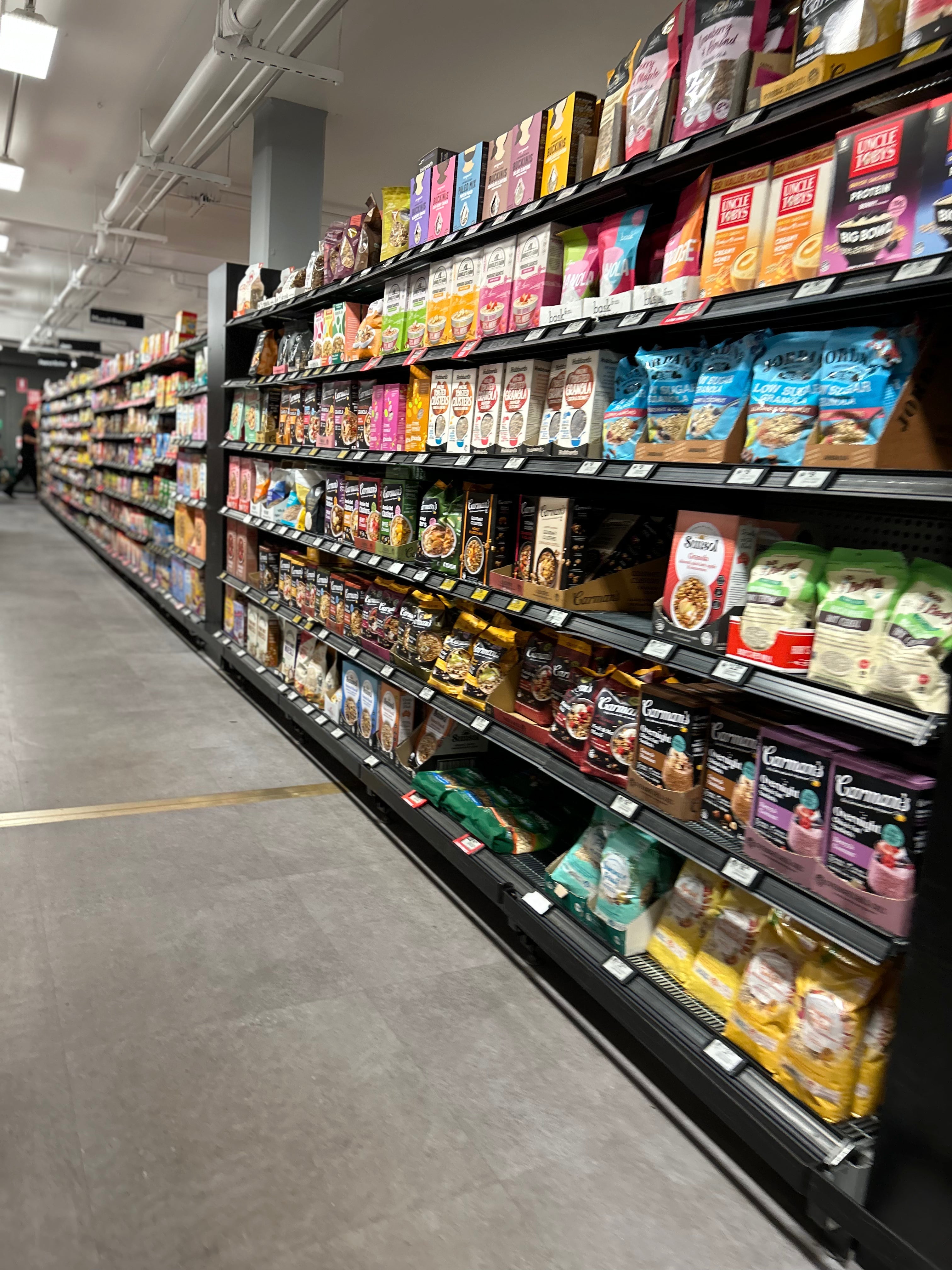
Standing in the chocolate aisle, it’s easy to feel like there should be a “better” choice - but it’s not always obvious what that actually means.
Dark chocolate, vegan chocolate, sugar-free options… they all sound healthier in different ways. But once you flip the pack over, the ingredient list can still be confusing.
So it helps to strip it back and look at what’s typically in conventional chocolate, compared to chocolate made with more wholefood ingredients, not from a good vs bad perspective - just understanding the difference.
Conventional chocolate is usually made from cocoa solids, sugar, and some form of fat. Milk chocolate will also include milk solids. From there, additional ingredients are often added to improve texture and shelf life. This is where emulsifiers like soy lecithin, flavourings, and sometimes alternative vegetable oils come in (yikes!).
These ingredients aren’t unusual - they’re part of producing chocolate at scale. The result is something smooth, stable, and very consistent. But it also tends to mean higher amounts of refined sugar and a product that’s quite far removed from cacao in its original form.
Chocolate made with more natural ingredients tends to take a simpler approach.
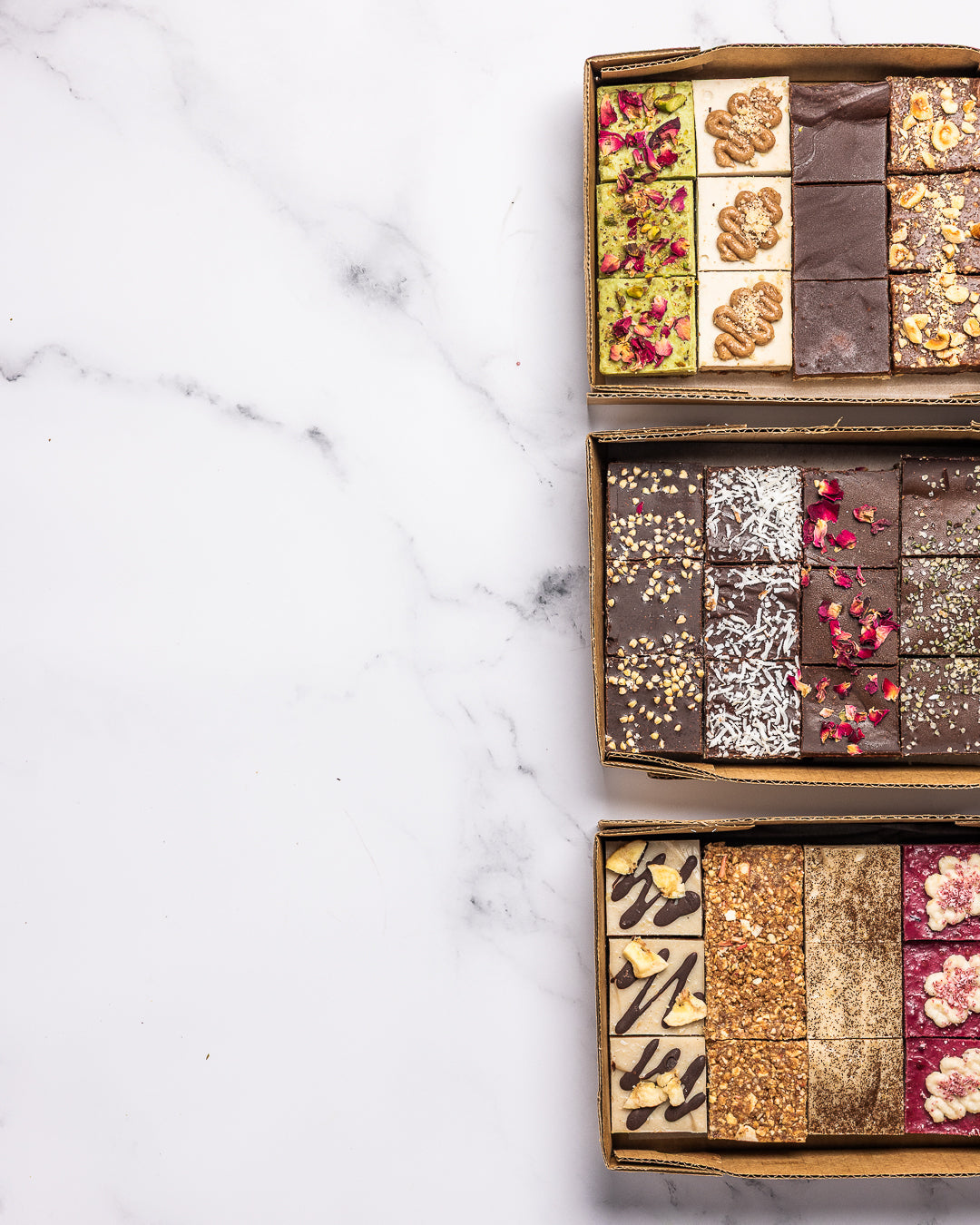
Instead of refined white sugar, we use sweeteners like coconut sugar or grade B maple syrup. The fat component usually comes from cacao butter - the natural fat found in cacao beans, sometimes combined with coconut oil for texture. The chocolate itself is made from cacao paste or raw cacao powder, which is much less processed.
Because of this, our final product behaves a little differently. It may be softer, slightly less uniform, and not as shelf-stable as conventional chocolate. It also doesn’t have the same ultra-smooth finish or melt resistance.
That’s generally the trade-off for using fewer processed ingredients - which we happily take.
One of the more noticeable differences tends to be in how it feels to eat.
Conventional chocolate is designed to be very palatable - it melts easily, tastes consistent, and often encourages you to keep going back for more. The combination of refined sugar and processed fats can create that quick, moreish effect.
Chocolate made with less refined ingredients is often described as more satisfying. Not necessarily richer, but more balanced. A smaller amount tends to feel enough, rather than something that leads to continuous snacking.
This can come down to the type of sweetener used, the fat profile, and the overall level of processing.
For people looking for gluten-free snacks, vegan desserts, or healthier sweet options, understanding these ingredient differences can be helpful. It’s less about removing chocolate, and more about choosing a version that aligns with how you prefer to eat.
To us, chocolate will always sit in the “treat” category, however the way it’s made can vary a lot - and that’s where the difference really lies.

At the end of the day, Easter chocolate is meant to be enjoyed. It’s just helpful to know what’s in it - so you can choose what feels right for you.
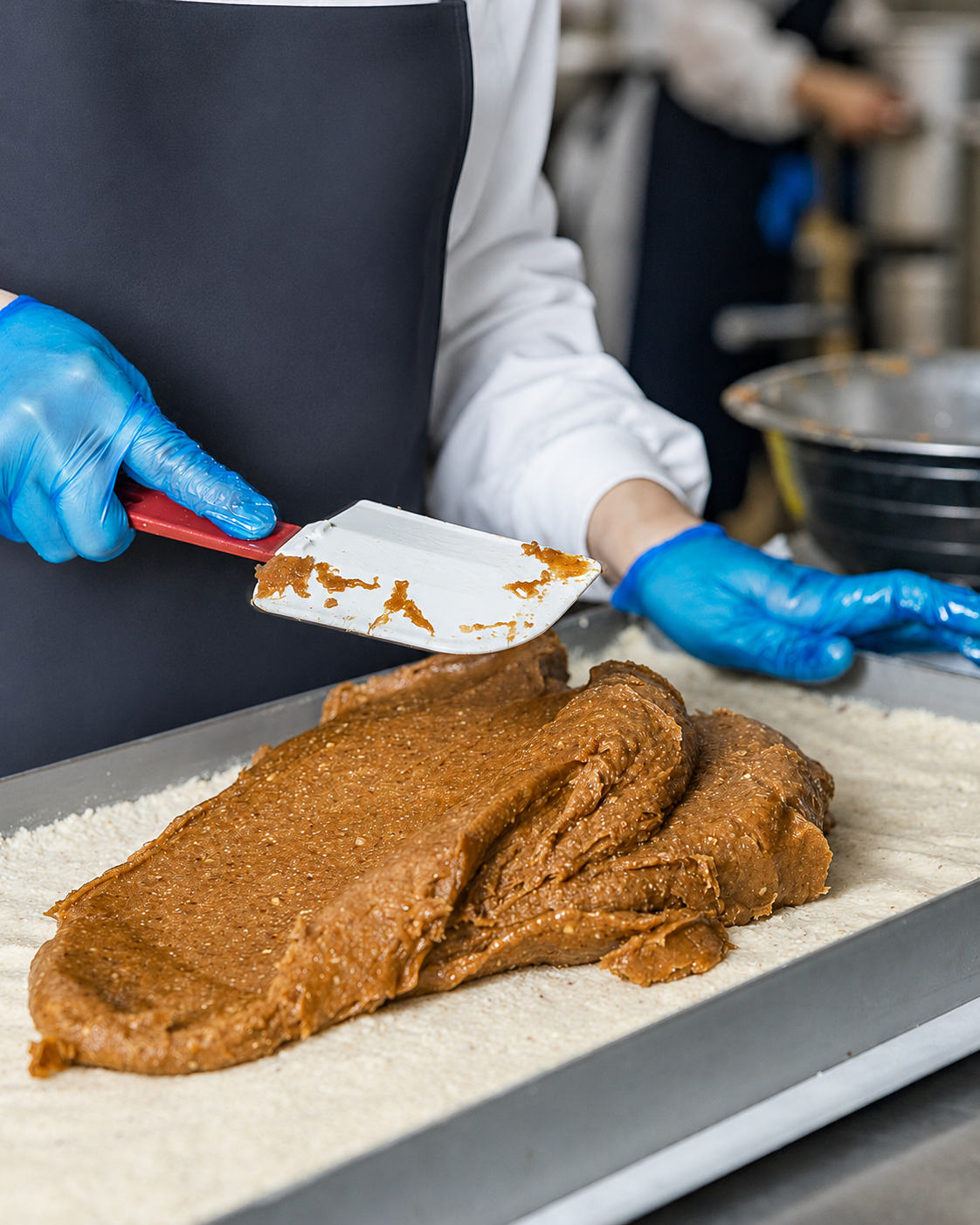
Below is a homemade chocolate recipe, if you’re in the mood to make your own. If not, we’ve taken care of that part already.

Homemade Chocolate Bark
Ingredients (Base Chocolate)
- 100g cacao butter
- 2 tbsp coconut oil
- 3 tbsp raw cacao powder (or cacao paste, melted)
- 2–3 tbsp maple syrup or coconut sugar (adjust to taste)
- 1 tsp vanilla extract
- Pinch of sea salt
Toppings
- ½ cup pistachios, roughly chopped
- 1–2 tbsp dried edible rose petals
Optional: coconut flakes or cacao nibs for texture
Method
1. Gently melt cacao butter + coconut oil over low heat until smooth.
2. Whisk in cacao powder until glossy and lump-free.
3. Add maple syrup, vanilla, and salt.
4. Taste and adjust sweetness.
5. Line a tray with baking paper.
6. Pour the chocolate and spread evenly (about 0.5–1 cm thick)
7. Sprinkle pistachios generously.
8. Lightly scatter rose petals over the top (don’t overdo - keep it elegant).
Refrigerate for ~1 hour or until firm. Break and snap into uneven, rustic pieces
Storage
- Fridge: 2–3 weeks
- Freezer: up to 3 months